
Coping with winter rhinitis: Effective strategies to manage symptoms
Feb 09, 2026
Author: Not specified. Reviewer: Not specified. Curator: Not specified. Production/Organizational Information: Not specified.
Coping with winter rhinitis: Effective strategies to manage symptoms
Introduction: Winter worsens rhinitis symptoms. Improve quality of life by managing home environment, diet, schedule, and exercise.
As winter approaches and temperatures gradually drop, many people begin to experience symptoms such as nasal congestion, sneezing, and runny noses, making winter a "difficult season" for those suffering from rhinitis. Waking up in the morning to sneeze repeatedly, dealing with a stuffy nose all day and needing to breathe through the mouth, and constantly reaching for tissues... these troubles affect our quality of life and work efficiency. How should we cope with the "commotion" of winter rhinitis?
Correctly identifying the type of rhinitis is the first step in effective management.
1. Allergic rhinitis: Typically triggered by allergens such as dust mites, mold, pet dander, etc., symptoms include paroxysmal sneezing, clear nasal discharge, itchy nose, and nasal congestion. Symptoms appear immediately upon exposure to the allergens and may lessen after leaving the environment.
2. Vasomotor rhinitis: It is primarily sensitive to physical stimuli (such as cold air, dry air, and strong odors), and its symptoms are similar to those of allergic rhinitis, but allergen tests return negative results.
3. Infectious rhinitis: Often caused by viral or bacterial infections, it commonly presents with systemic symptoms such as fever and fatigue. Nasal discharge may initially be clear and watery before gradually becoming thick or yellow-green.
4. Drug-induced rhinitis: Prolonged use of decongestant nasal sprays (over 5-7 days) may lead to rebound nasal congestion and dependency.
Practical coping strategies
1. Environmental Control and Daily Care
Maintain Appropriate Humidity: Use a humidifier to keep indoor humidity levels between 40% and 50% to prevent the air from becoming too dry. Placing bowls of water or damp towels on the radiator can also help increase humidity.
Regular cleaning: Wash bed sheets and duvet covers weekly to reduce dust mite growth. Keep the indoor environment tidy and avoid clutter accumulation.
Reasonable ventilation: Open windows at least twice a day for 15-20 minutes each time, preferably during the warmer midday hours. This can effectively reduce the concentration of indoor allergens and pollutants.
Nasal irrigation: Using saline or saline seawater for nasal irrigation can help remove allergens, secretions, and inflammatory mediators from the nasal cavity, alleviating mucosal edema. It is recommended to do this once or twice daily, especially after coming home from outdoors.
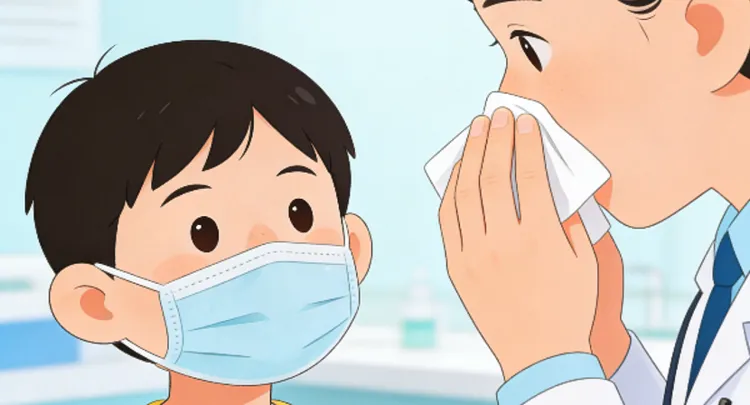
Wearing a mask: When participating in outdoor activities, wearing a warm mask can not only prevent cold air from directly irritating the nasal cavity but also filter out some pollutants and allergens.
2. Lifestyle adjustments
Dietary adjustment: Increasing the intake of vitamin C (from citrus fruits, green peppers, etc.) and vitamin E (from nuts, vegetable oils) in moderation can help alleviate inflammation.
Moderate exercise: Regular aerobic activities such as brisk walking and swimming can improve blood circulation in the nasal cavity and enhance immunity. However, when exercising outdoors in winter, it's important to keep warm and avoid direct exposure to cold air that can irritate the respiratory tract.
Adequate Sleep: Ensuring 7-8 hours of high-quality sleep helps the immune system to function properly and alleviates the symptoms of rhinitis.
Steam inhalation: Pour hot water into a cup, lean down so that your mouth and nose are aligned with the cup opening, and breathe in the steam for 5-10 minutes (be careful to maintain a safe distance to avoid burns).
When do you need to seek medical attention?
Although most winter rhinitis can be managed through self-care, medical attention should be sought promptly in the following situations:
The symptoms are severe, affecting daily life and work.
There has been no significant improvement in symptoms after a week of self-care.
Symptoms of infection such as fever, facial pain, and purulent nasal discharge have appeared.
Symptoms are accompanied by wheezing, shortness of breath, and other manifestations of asthma.
Suspected adverse drug reactions or interactions.
The doctor may recommend allergy tests, nasal endoscopy, and other procedures to make a clear diagnosis and develop a personalized treatment plan.
Prevention is better than cure: Key points for preventing rhinitis in winter.
Enhance physical fitness: Maintain moderate exercise, pay attention to staying warm, and avoid sudden changes in temperature.
Avoiding allergens: regularly clean your living environment, use dust mite-resistant bedding, and avoid contact with known allergens.
Vaccination: Timely vaccination against influenza can reduce the incidence of rhinitis caused by viral infections.
Establish a health record: document the timing, environment, and severity of symptom onset to help doctors make a more accurate assessment of the condition.
Although winter rhinitis is common, it can be effectively managed and symptoms kept within an acceptable range through scientific understanding and proper management, allowing you to enjoy the beauty of winter. Remember, everyone's situation is different, and the most suitable plan often requires a combination of professional medical advice and personal circumstances. When rhinitis flares up, don’t suffer in silence; take proactive steps to ensure a more comfortable and healthier winter.
#disease prevention
#family health


© 2025 Health Tribe.