
How can cancer patients enjoy preserved foods this New Year?
Feb 13, 2026
Author: Dr. Jian Xiaolan, Reviewer: Dr. Wang Huazhong, Production Information: Hunan Provincial Hospital of Traditional Chinese and Western Medicine (Affiliated Hospital of Hunan Academy of Traditional Chinese Medicine). Title: How can cancer patients enjoy preserved foods this New Year? Introduction: Cancer patients should enjoy pickled foods cautiously during the Spring Festival, balancing taste and health with dietary advice. Keywords: ['Healthy eating', 'Tumor'] Main text: As the Spring Festival approaches, pickled foods, a staple on Chinese New Year tables, carry unique cultural memories and flavor experiences. However, for cancer patients, what health risks are concealed behind these delicacies? How can one strike a balance between traditional customs and health needs? Dr. Jian Xiaolan, Deputy Chief Physician of the Oncology Department at Hunan Provincial Hospital of Traditional Chinese and Western Medicine, provides insights on this topic.
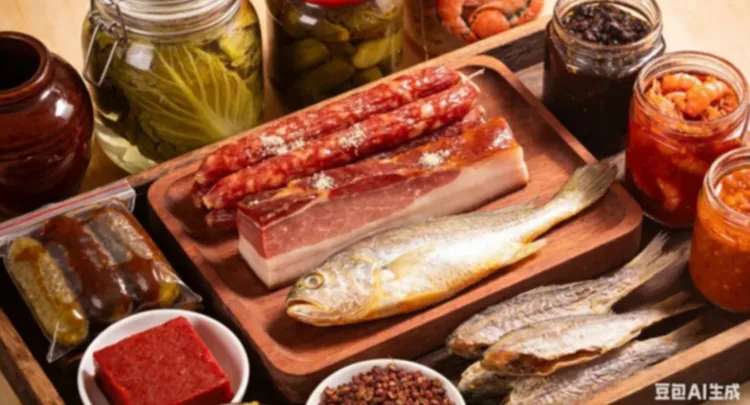
China boasts a diverse array of pickled foods from various regions, each with its own unique characteristics, including: 1. Cured meat series: cured pork, cured sausage, cured fish, etc., prepared through methods like salt curing, air drying, or smoking; 2. Fermented vegetables: pickles, sauerkraut, pickled cucumbers, and other types of vegetable pickles; 3. Fermented soybean products: fermented tofu, fermented black soybeans, etc.; 4. Pickled seafood: salted fish, shrimp paste, crab paste, and so on. Multiple studies have shown an association between pickled foods and an increased risk of certain cancers. 1. Nitrites: Many preserved foods, especially processed meats, contain nitrites or nitrates. These substances may be converted into nitrosamines in the body, classified by the International Agency for Research on Cancer as possibly carcinogenic to humans. 2. High Salt Risk: Pickled foods often contain very high levels of salt. A long-term high-salt diet increases the risk of hypertension and cardiovascular diseases, potentially damaging the gastric mucosa and raising the likelihood of developing gastric cancer. 3. Other potential risks: Some traditional pickling methods may produce carcinogenic substances such as benzo(a)pyrene (found in smoked foods) or aflatoxin (present in improperly fermented soy products). It is worth noting that these studies are based primarily on long-term and high levels of consumption, and the risk levels associated with different pickled foods also vary.
#healthy eating
#tumor

© 2025 Health Tribe.