
Feeling anxious or low on energy around the holidays? Here are solutions
Feb 23, 2026
Author: Unknown; Reviewer: Unknown; Curator: Unknown; Production/Organizational Information: Unknown.
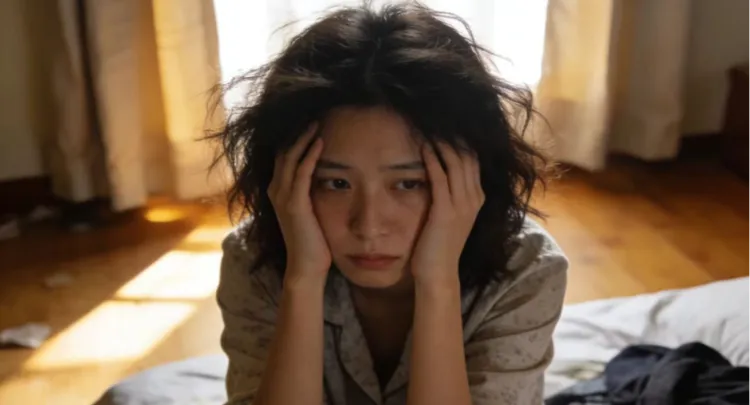
Do you feel anxious or lack energy before and after the holidays?
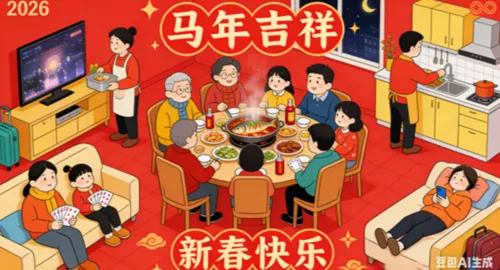
The long 9-day Spring Festival holiday in the Year of the Horse in 2026 is coming to an end on the eighth day. Are you feeling inexplicably tired, drowsy, anxious, unfocused, and lacking in energy? If so, you are likely experiencing the common "holiday syndrome." This syndrome typically occurs within 1-3 days before and after the end of the holiday. The main reasons for its occurrence are as follows: 1. Disruption of daily rhythm: Late nights and sleeping in during the holiday severely misalign the biological clock, making it difficult for the nervous and endocrine systems to quickly readjust. This can lead to insomnia, daytime sleepiness, and mental fatigue upon returning to work. 2. Irregular eating habits and a heavy digestive burden: Holiday gatherings often involve excessive amounts of greasy and spicy foods, constant snacks and drinks, and either overeating or poor dietary choices, contributing to gastrointestinal discomfort and even acute gastroenteritis. 3. Disruption of "motivational conditioning": In psychology, "motivational conditioning" refers to the adaptation to certain behavioral patterns. Overindulgence during the holiday (such as lying around and eating excessively) creates a stark contrast when returning to a highly stressed environment of work or school, making it difficult for the mind and body to adjust to the significant change. 4. The influence of psychological defense mechanisms: The subconscious resistance to the impending pressures of work or study can manifest as anxiety, which in turn translates into physical symptoms.
The specific manifestations of vacation syndrome are as follows: 1. Physiological aspects: fatigue and exhaustion, feeling tired even after waking up; dizziness, nausea, lack of appetite, and even abdominal bloating or pain; muscle soreness or decreased immunity, making one more susceptible to colds. 2. Emotional aspects: anxiety and restlessness, feeling upset at the thought of work; difficulty concentrating and decreased memory; low mood, with even a slight sense of depression. 3. Behavioral aspects: decreased work efficiency, with procrastination becoming more pronounced.
So how do we respond?
In light of the current outbreaks of respiratory infectious diseases such as influenza and gastrointestinal infectious diseases like norovirus, it is recommended to adopt the following measures for the sake of physical and mental health:
First, it's important to start focusing and gradually restore your routine 1 to 2 days in advance. Don’t wait until the day you return from holiday to make adjustments; instead, aim to go to bed early and wake up early, gradually aligning with a normal work and study schedule. Ensure you get enough sleep, stabilize your biological clock, and boost your immunity.
Secondly, it is important to focus on personal hygiene and maintenance. Engage in outdoor exercise daily, ensure proper ventilation indoors, wash hands frequently, clean fruits and vegetables, disinfect utensils, avoid staying up late, limit alcohol consumption, and quit smoking. Maintain a balanced diet (including fruits, vegetables, meat, eggs, and dairy), reduce intake of greasy, high-sugar, and heavily seasoned foods, drink plenty of water, and maintain regular meal times.
Thirdly, engage in moderate activities and avoid prolonged sitting. Before returning to work, activities like walking, jogging, or playing ball games can promote blood circulation, relieve fatigue, and strengthen physical fitness.
Fourth, organize your tasks and switch your mindset smoothly. List the to-do items that need to be addressed before and after the holiday, distinguishing between what is urgent and what can wait. Avoid the anxiety caused by a pile-up of tasks, and give yourself a buffer period. Don't aim for maximum output right at the start; instead, gradually ease back into your routine.
Fifth, get vaccinated against influenza and other vaccines, and wear masks when going out, especially for the elderly and those with weaker constitutions.
It should be noted that the manifestations of holiday syndrome vary in intensity from person to person. In mild cases, it does not affect daily life, studies, or work, and self-regulation for 1 to 2 days can restore a normal state. However, if it significantly impacts life, studies, or work, it is advisable to seek early consultation or treatment from a qualified psychological counselor or therapist. You can also call the national psychological hotline at 12356. (The cover photo is made by Doubao.)
#mental health
#holiday syndrome
© 2025 Health Tribe.