
How to Handle Leftovers Safely After Spring Festival Feasts
Feb 23, 2026
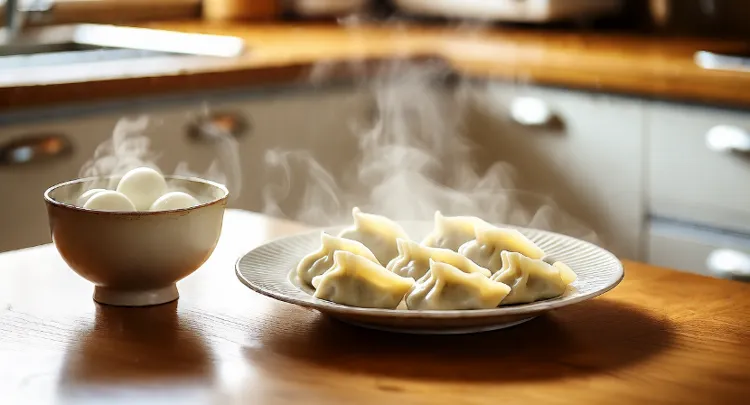
Author: Beijing Municipal People's Government, Reviewer: Fujian Province Health Commission, Curator: Food Safety China, Production/Organizational Information: CCTV News. Title: How to Handle Leftovers Safely After Spring Festival Feasts Introduction: Holiday season food handling is crucial. Store leftovers properly to avoid illness and learn to safely repurpose them. Keywords: ['Food safety', 'Handling leftover food'] Main text: During the Spring Festival, it is common to find half a fish, a pot of marinated dishes, or various stir-fries in the refrigerator. Adhering to the traditional virtue of "frugality," these leftover dishes, promptly stored in the fridge, become the "mainstay" for the next few days. However, occasional episodes of abdominal pain, diarrhea, or even fever, often linked to these leftovers, can occur. The abundance of food and frequent gatherings during the Spring Festival lead to prolonged storage times for some dishes, significantly increasing the risk of acute gastroenteritis and foodborne discomfort. Thus, safeguarding the "safety on our plates" starts with the scientific handling of leftovers.
During the Spring Festival, why are the stomach and intestines more prone to being "delicate"? 1. The "overload" of food and structural imbalance: During spring, we often consume a large amount of high-fat and high-protein foods (such as rich meats and seafood) in a less regular manner, exceeding the digestive capacity of our stomach and intestines under normal working conditions. At the same time, the relative reduction in the intake of fruits and vegetables, along with insufficient dietary fiber, also slows down intestinal motility.
2. The Risks of "Leftover Banquets": Leftover dishes, especially certain types of raw marinated seafood, cold dishes, braised foods, soy products, and dishes with soup, are highly susceptible to bacterial growth (such as Salmonella, Staphylococcus aureus, etc.) or the production of harmful substances during storage and repeated heating. Moreover, a refrigerator is not a sterilizer; it can only slow down bacterial reproduction.
There is also the "join the fun" virus: the winter and spring seasons are peak times for infections such as norovirus and other types of infectious diarrhea. These viruses can easily spread through contaminated food, water sources, or person-to-person contact. This risk increases significantly during group meals. Using separate utensils, like public chopsticks and spoons, is the simplest and most effective way to prevent transmission. This is particularly important for infants and young children, as adults have a stronger resistance to intestinal viruses, while infants and young children have much weaker immunity and are more susceptible. This explains why, at the same table eating the same dishes, some children and thinner individuals may experience gastrointestinal discomfort.
2. The "Warning Signs" of Acute Gastroenteritis: The main symptoms of acute gastroenteritis include nausea, vomiting, abdominal pain, diarrhea (watery stools), fever, and fatigue. In severe cases, dehydration may occur due to vomiting and diarrhea, leading to symptoms such as dry mouth, reduced urine output, sunken eyes, and lethargy. Infants and young children may display crying without tears and a sunken fontanel, which requires heightened vigilance. Understanding these symptom signals can help us quickly recognize and respond in a timely manner.
III. The Scientific Handling "Manual" for Leftover Food: Prepare just enough according to need: When cooking, estimate the amount your family will eat and try to avoid excessive leftovers. This is the most fundamental solution.
2. "Take advantage of the heat" to sort and store: After the banquet, leftover dishes that need to be preserved should be sealed in airtight containers or with plastic wrap and placed in the refrigerator as soon as possible (preferably within 2 hours). Remember not to let the dishes cool to room temperature before putting them in the fridge, as room temperature is a breeding ground for bacteria.
3. Mastering the "shelf life": 1. Leafy greens, cold dishes, seafood, and soybean milk: It is recommended to consume them during the meal and not to keep them overnight.
Meat and poultry dishes should not be stored in the refrigerator for more than 24 hours.
Leftover rice: It is prone to the growth of Bacillus cereus, so it should be refrigerated as soon as possible. It must be thoroughly heated before consuming again. Moreover, if you let the cooked rice cool slightly before placing it in the refrigerator overnight, reheating or stir-frying it the next day will significantly lower its glycemic index. This is not only very friendly for blood sugar stability, but also the essence of making fried rice with day-old rice, which is crucial for satisfying hunger. This is because the starch in the rice has transformed into resistant starch dietary fiber!
When reheating food, it is crucial to heat it thoroughly: before consuming leftover dishes, they must be heated completely, ensuring that the core temperature of the food reaches above 70°C, and maintain boiling or stir-fry for 3-5 minutes. When using a microwave, be sure to stir the food to prevent some areas from being unevenly heated. Soups and broths must be brought to a boil.
Using public chopsticks and spoons—a healthy "firewall": Actively using public chopsticks and spoons during meals can significantly reduce the spread of bacteria and viruses. This is an important hygiene practice for protecting family members, especially the elderly and children.
If you really feel unwell, what should you do? 1. Management of mild symptoms: Immediately stop consuming suspicious food and greasy diets. Pay attention to rest and replenish fluids; oral rehydration salts can be consumed to correct dehydration. It is not recommended to take strong antidiarrheal medication initially, as it may hinder the elimination of pathogens.
2. Signs that prompt timely medical attention: If there is a persistent high fever, frequent vomiting that prevents fluid intake, severe diarrhea leading to noticeable signs of dehydration, blood in the stool, or if the patient is an infant, pregnant woman, elderly individual, or has underlying health conditions, medical assistance should be sought as soon as possible.
In the end, health is also the most enduring flavor of the year.
The Spring Festival has left behind delicious memories and laughter. The joy of the Spring Festival is also built on physical and mental comfort. After all, no one wants to endure the turmoil in their stomach after a "leftover feast." Having a bit more planning before and during meals, as well as understanding the scientific storage of food, is not only a responsibility towards one's own health but also a way to show care for the family.
Reference materials: 1. Beijing Municipal People's Government. Winter Norovirus Prevention and Control Guidelines! Source: Beijing Municipal Health Commission 2. Fujian Province Health Commission. Healthy and Happy New Year | Spring Festival Food Safety Consumption Tips. Source: Food Safety China Can leftover food from the Spring Festival be eaten? Here are some guidelines for handling leftover dishes. Source: CCTV News.
#food safety
#handling leftover food


© 2025 Health Tribe.