
5 emergency response steps for elderly falls during winter exercise
Feb 24, 2026
Author: Unknown, Reviewer: Unknown, Curator: Unknown, Production/Organizational Information: Unknown
Title: 5 emergency response steps for elderly falls during winter exercise
Introduction: Elderly individuals should prioritize fall prevention during the winter months. The five-step response to falls includes remaining calm, assessing injuries, and seeking medical care.
Have you ever considered that the seemingly healthy elderly person at home, who appears able to care for themselves, may actually be facing an invisible "killer"?
It is concerning that after morning exercises, elderly individuals have a high probability of falling, with a fracture rate reaching up to 36.84%. Among these fractures, hip fractures are particularly dangerous, with both high disability and mortality rates. Even among survivors, one in four elderly individuals may require long-term care. This winter, let us learn how to safeguard the well-being of our elderly.
Why are elderly individuals prone to falling?
1. The body's functions are slowly "declining."
As people age, their physical abilities diminish. They may struggle with clear vision, accurate hearing, and feeling their feet; their reactions slow, and their legs lose strength. These seemingly normal changes pose a constant risk of falling for elderly individuals in their daily lives.
2. Chronic diseases are significant "stumbling blocks."
Many elderly individuals contend with chronic conditions, such as hypertension, orthostatic hypotension, and arrhythmias, which can affect blood flow to the brain. Neurodegenerative diseases like Parkinson's disease can alter balance and walking posture, while diabetic neuropathy may diminish sensory perception in the feet. Arthritis can contribute to instability while standing.
3. Medications can be counterproductive.
Common medications, such as antihypertensive agents and sedatives, may cause dizziness, drowsiness, or sudden drops in blood pressure—all of which increase fall risk among the elderly.
4. Psychological factors should not be overlooked.
Some elderly individuals may believe they are "doing fine" and be reluctant to use a cane, while others, fearing loss of balance, may adopt a stiff walking gait, which ultimately increases their likelihood of falling.
How can elderly individuals prevent falls?
The steps to take after an elderly person falls are as follows:
1. Stay calm and make a preliminary assessment.
After an elderly person falls, do not attempt to get up immediately, as this may lead to further injuries (such as fractures or exacerbated dizziness). Instead, remain lying flat, take deep breaths to relax, and check if you can move your limbs. Ask yourself if you are experiencing severe pain, dizziness, or confusion. If you are conscious and do not feel any apparent pain, gently move your fingers, toes, and joints to assess your basic condition.
2. Evaluate injuries and determine the next steps.
If you do not experience severe pain, dizziness, or restricted movement, you may attempt to slowly turn onto your knees, using your hands to support yourself against a stable object (like a chair or tree) as you rise. After getting up, take a moment to rest and ensure you feel well before moving again. If there is severe pain, you cannot move, you notice any limb deformities, or you feel disoriented, do not try to get up forcefully. Remain in your position and call for help loudly, or use your phone to contact emergency services at 120.
Temporary measures to avoid secondary harm.
If bleeding occurs, apply pressure with a clean cloth or gauze to stop it. For swelling, use a cold compress for a short duration (10 to 15 minutes per session), being careful to prevent frostbite. If a fracture is suspected, temporarily immobilize the injured area using a hard board, cardboard, or rolled-up clothing, ensuring that the fixation covers the joints above and below the injury to prevent movement of the injured area. For initial self-examination, assess whether your consciousness is clear, check for any obvious external injuries (such as bleeding or wounds), severe pain (in areas like the head, back, or joints), or limited movement (such as inability to move limbs).
Seek medical attention promptly.
Even if the injury seems minor, it is advisable to seek medical care as soon as possible to rule out hidden injuries such as intracranial bleeding or damage to internal organs.
5. Prevent after-the-fact injuries.
Analyze the causes (such as slippery surfaces, vision problems, side effects of medications, etc.) and implement targeted preventive measures (such as installing handrails, using walking aids, or adjusting medications, etc.).
The actions to be followed should adhere to the principle of "safety first, assess injuries, provide appropriate assistance, and prevent recurrences": firstly, avoid rushing to get up to prevent further injuries; secondly, conduct a self-assessment to determine the severity of injuries, distinguishing between emergencies and non-emergencies; next, based on the injuries, take the correct approach to call for help and provide assistance to ensure timely access to professional medical support; finally, through cause analysis and preventive actions, fundamentally reduce the risk of subsequent falls, reflecting a comprehensive commitment to the safety of elderly individuals.
For elderly people, winter exercise is vital and should emphasize "stability, warmth, brightness, companionship, and simplicity." Ensure safety by maintaining clear paths, allowing adequate time for warm-ups, setting up home spaces for fall prevention measures, and providing nutritional and exercise opportunities for bone health. May every morning workout be safe and round; may every accident be addressed with expertise and scientific knowledge.
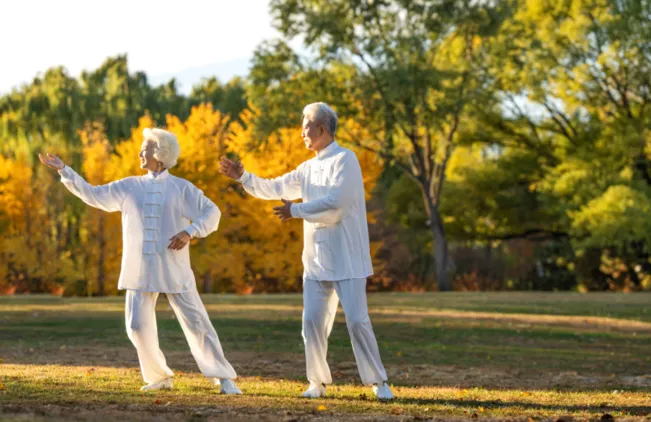
The cover image of this article is sourced from a copyright stock library, and unauthorized reproduction may lead to copyright disputes.
#health
#safety for the elderly



© 2025 Health Tribe.