
Do overnight vegetables increase cancer risk? What's the truth?
Feb 28, 2026
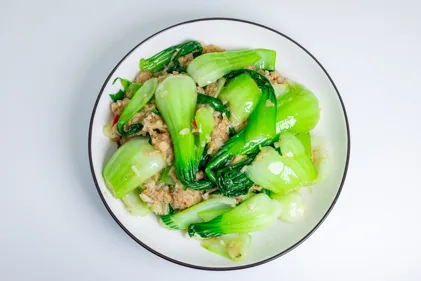
Author: Zhang Xu, Nurse at the Cancer Hospital of the Chinese Academy of Medical Sciences. Dai Ying, head nurse at the Cancer Hospital of the Chinese Academy of Medical Sciences. Review: Zheng Wei, Deputy Chief Nurse at the Cancer Hospital, Chinese Academy of Medical Sciences.
Do overnight vegetables increase cancer risk? What's the truth? Introduction: Leftover food may contain nitrites within safety limits but poses bacterial risks; proper storage and reheating are essential. Keywords: ['Healthy diet', 'Food safety'] Main text: "Leftover food shouldn't be eaten; it's toxic and can cause cancer!" This is a phrase that many people have likely heard at home, especially from grandparents or parents who prefer to keep leftover food for the next meal. In contrast, younger generations often worry about health and prefer to throw it away, leading to minor disputes at the dining table. The main villain behind this saying is a substance called "nitrite." But is it really as terrifying as the rumors suggest? Can we still enjoy leftover food with peace of mind? Today, let's clarify this issue. Nitrite, what is it? Where does it come from? Nitrites are salts of nitrous acid, formed by the combination of nitrite ions (NO₂⁻) with metal ions such as sodium or potassium. They are quite common in our surroundings. Many vegetables that we often consume, such as napa cabbage, spinach, and celery, absorb nutrients (primarily nitrogen fertilizers) from the soil as they grow. These nutrients gradually transform into nitrates within the vegetables. Nitrates themselves are not particularly problematic, but when the vegetables are harvested and cooked, then left uneaten, some naturally occurring bacteria (not harmful bacteria) begin to work. These bacteria act like small processing facilities, gradually converting the nitrates in the vegetables into nitrites. Therefore, the presence of nitrites in leftover vegetables is a very normal process of change. So, will it really cause cancer or not? The truth is that it is not nitrite itself that is directly carcinogenic, but rather another substance that it may transform into within our bodies. When we consume foods that contain nitrites, they can enter our stomach and potentially combine with "amines," which are substances produced from the breakdown of proteins in the stomach. This reaction can create a compound known as "nitrosamine," which is internationally recognized as a definite carcinogen. Upon hearing this, you might feel a bit anxious, but remember the most crucial point: any toxicity and harm depend on the "dosage." So, how significant is the amount in overnight dishes? Scientists have conducted numerous experiments, placing cooked food in the refrigerator and measuring the nitrite levels the next day and the day after. The results showed that the levels indeed increase; for example, after one day, the nitrite content could be one to several times higher than immediately after cooking. However, even with this increase, the quantity remains far below the safety standards set by the national regulations. For instance, the allowable nitrite content in processed meats like cured meat and sausages cannot exceed 30 milligrams per kilogram, whereas a plate of overnight stir-fried vegetables might contain only a few to ten milligrams of nitrites per kilogram. Therefore, it is equivalent to consuming dozens or even hundreds of pounds of leftover food in one go to reach a toxic dose, which is simply impossible in real life. Thus, the statement that "eating leftover food can cause cancer" is too absolute and serves only to scare people. In fact, we should be more concerned about another issue! Compared to the small amount of nitrites, a more realistic and common danger with leftover food is bacterial contamination. Once the food is prepared, during the process of serving it, bacteria from the air can fall onto it. If you leave the food sitting on the table or in the kitchen for a long time without checking on it, those bacteria will start to multiply rapidly. Eating food that has been heavily contaminated by bacteria can lead to immediate symptoms such as diarrhea, vomiting, and stomach pain, which means you might end up with acute gastroenteritis. This risk is much more direct and common than the incredibly minor risk of cancer from nitrites! How can we safely eat leftover food? Since it's unrealistic to completely avoid leftover food, how can we safely handle it? First of all, "leftover meat is better than leftover vegetables." Vegetables, especially leafy greens, are the most likely to produce nitrites, so it's best to consume them in one meal. Leftover meats (such as braised pork or chicken legs) and soybean products (like tofu) are relatively more suitable to keep. Secondly, don't wait for the food to cool down before putting it in the refrigerator; this is the most crucial step. We often think that putting hot dishes in the fridge is bad for it, but in reality, modern refrigerators are not so delicate. The cooling period is actually a "golden time" for bacteria to multiply rapidly. The correct approach is this: after cooking, if you feel that you won't finish the meal, promptly transfer it into a clean container or plate, seal it well, and place it directly in the fridge. However, the refrigerator is not a "safety deposit box"; putting food in the fridge merely slows down bacterial growth and does not stop it entirely. Therefore, leftovers should ideally be consumed within one to one and a half days (that is, before noon the next day). Finally, before eating, it is essential to "heat thoroughly." This is the most critical step in killing bacteria. Whether using a microwave or stir-frying, the dish must be heated until it is steaming hot all the way through, which effectively eliminates any bacteria that may have developed. Please provide the text you would like me to summarize. Stop worrying excessively about the claim that "leftover food can cause cancer." The content of nitrites in it is not a concern under normal consumption. What we should really pay attention to is not letting the food spoil and avoiding consuming too many bacteria. It's best to develop a habit of cooking just enough for the meal. However, if you do have leftovers, simply refrigerate them promptly, eat them as soon as possible, and make sure to heat them thoroughly before consuming. Then, you can eat them with confidence.
#food safety
#healthy diet

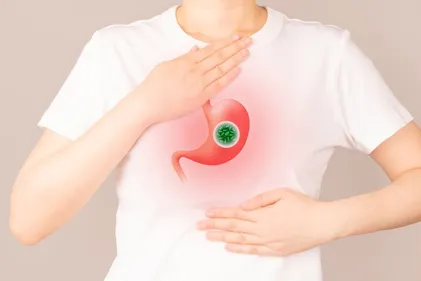
![What is Benzo[a]pyrene and its health risks to consider?](https://dullahan-resource.kilosites.com/small_22833421e38b433bd0415b67d767a2e5-69a2e12b.webp)
© 2025 Health Tribe.