
WHO emphasizes tackling childhood hearing loss issues
Mar 03, 2026
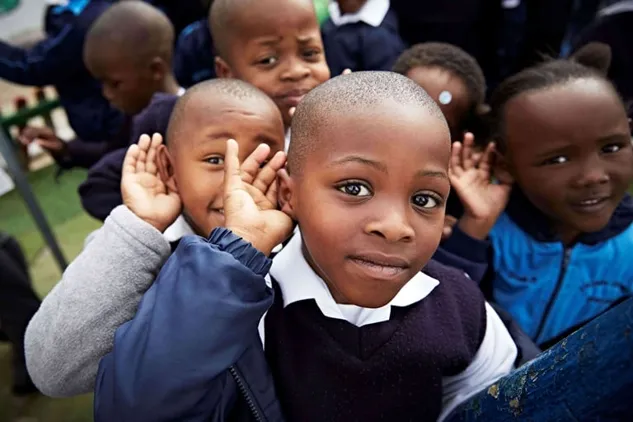
On World Hearing Day, under the theme "From communities to classrooms: hearing care for all children," the World Health Organization (WHO) is urging governments, civil society, and partners across the health and education sectors to take urgent action to protect children’s hearing. Key actions include:
Addressing hearing loss through evidence-based interventions.
WHO provides countries with technical resources to support ear and hearing care, including:
WHO has also developed training resources to equip health workers with the skills to identify and manage common ear and hearing problems, as well as refer patients to higher levels of care when needed. Integrating these tools into national health care systems can significantly narrow the gap in access to hearing care.
Additionally, a comprehensive package of evidence-based interventions designed for use across primary health care will soon be available, along with WHOears, a free mobile application for iOS and Android platforms to support hearing screening programs in schools and communities. By enabling trained individuals to conduct hearing screenings for children in school and community settings, the app will broaden access beyond traditional clinic environments and enhance early identification efforts.
"WHO estimates that nearly 60% of ear and hearing problems could be prevented or treated at local health clinics with trained health workers and the necessary equipment, medicines, and hearing devices,” said Ms. Dévora Kestel, acting Director of the WHO Department of Noncommunicable Diseases and Mental Health. “Yet today, over 80% of people who need ear and hearing care do not receive it. This gap has serious consequences for children, affecting their education, psychological well-being, and future livelihoods."
The impact of untreated hearing loss can be significant and multifaceted. It leads to communication difficulties, affecting personal relationships and social interactions. Individuals with untreated hearing loss often experience feelings of isolation and frustration, struggling to engage in conversations or participate in social activities. Cognitively, untreated hearing loss is associated with an increased risk of cognitive decline and dementia. The challenges of understanding speech can result in mental fatigue and decreased cognitive performance over time. Additionally, it hinders academic or professional success, as effective communication is essential in both educational and work settings. Emotionally, individuals may experience heightened anxiety and depression due to the challenges and limitations imposed by hearing loss. Overall, untreated hearing loss can significantly diminish a person's quality of life, affecting emotional well-being, social engagement, and overall health. Therefore, timely intervention and treatment are crucial to mitigate these impacts and improve the overall quality of life for those affected.
Untreated hearing loss affects more than a child’s ability to hear. It can delay speech and language development, hinder cognitive growth, and limit social interaction. These challenges often lead to poorer educational outcomes, reduced employment prospects, and long-term economic disadvantage.
Prevention of avoidable hearing loss, early identification, and timely intervention are crucial for improving outcomes for children with hearing loss. Strengthening primary healthcare systems to include ear and hearing services ensures that children receive the care they need when they need it.
For children already experiencing hearing difficulties, prompt access to affordable, evidence-based interventions—such as medications, surgery, hearing aids, cochlear implants, rehabilitative therapy, sign language, and other assistive technologies like loop systems and captioning—can avert long-term repercussions and facilitate complete engagement in both educational and community activities.
“Communities and school settings provide a natural and effective platform to reach children with both preventive measures and early care,” said Dr. Shelly Chadha, WHO Team Lead for Eye, Ear, and Oral Health. “With practical and affordable solutions now available, no child should be left behind due to unaddressed ear and hearing problems.”
#public health
#global health policy

© 2025 Health Tribe.