
WHO urges global move to eco-friendly affordable oral health care
Mar 03, 2026
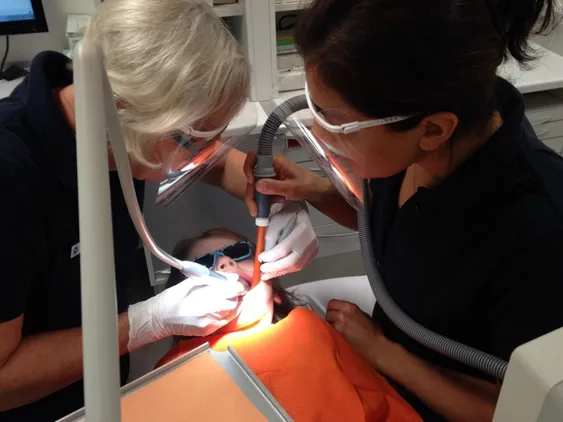
The World Health Organization has released a new global guideline titled "Environmentally Friendly and Less Invasive Oral Health Care for Preventing and Managing Dental Caries." This guideline provides evidence-based recommendations to assist countries in preventing and managing dental caries through environmentally sustainable and less invasive methods that promote patient safety, enhance care quality, and protect the environment.
The guideline presents a comprehensive package of safe, effective, and mercury-free clinical interventions, reflecting the latest scientific evidence on prevention, non-invasive care, and minimally invasive management of dental caries.
Dental caries is the most prevalent noncommunicable disease worldwide, affecting an estimated 2.7 billion people. The disease often begins in early childhood and disproportionately affects underserved populations. Historically, the management of dental caries has relied heavily on restorative treatment using dental amalgam, which contains mercury and poses risks to human health and the environment.
The new guideline aligns with increasing global commitments to eliminate mercury use in accordance with the Minamata Convention on Mercury and to enhance oral health within broader health initiatives, such as the Bangkok Declaration – No Health Without Oral Health. It assists countries in improving access to essential, cost-effective, and safe oral health services.
"This guideline marks a milestone in global oral health," said Dr. Benoit Varenne, WHO Dental Officer. "For the first time, countries have strong evidence that safe and less invasive interventions using mercury-free products can effectively prevent, halt, and manage dental caries, while providing a more environmentally sustainable alternative to dental amalgam."
A decisive contribution to achieving Universal Health Coverage for oral health by 2030.
The guideline promotes the implementation of the WHO Global Oral Health Action Plan 2023–2030, urging all countries to guarantee access to essential, promotional, preventive, and curative oral health services as a component of universal health coverage.
By prioritizing prevention, scaling up noninvasive and minimally invasive interventions, and supporting the replacement of mercury-containing dental amalgam with safe, affordable alternatives, the guideline establishes a robust technical foundation for integrating essential oral health services into primary health care. It also aids countries in meeting their obligations under the Minamata Convention on Mercury.
The recommendations further connect oral health care with broader global commitments on climate action and sustainable development goals, promoting environmentally sustainable practices within health systems.
"Oral health care must evolve to support planetary health," said Ms. Dévora Kestel, Acting Director of the WHO Department of Noncommunicable Diseases and Mental Health. "By advocating for mercury-free products and less invasive clinical procedures, this guideline strengthens both environmental protection and universal access to safe, essential oral health care."
The guideline provides eight recommendations and two best practice statements, supported by strong evidence that includes systematic reviews covering clinical performance, toxicology, cost-effectiveness, and environmental impact. Key areas of focus include:
The guideline also provides actionable guidance for governments, ministries of health and environment, professional associations, and front-line health workers to:
Moreover, the guideline identifies key research gaps, particularly concerning the long-term effectiveness and cost-effectiveness of interventions, as well as the monitoring of occupational exposure and the environmental impact of mercury-free materials. It calls for enhanced global collaboration to advance evidence and foster innovation in oral health care.
Note to editors:
The guideline was developed through a broad and collaborative effort led by WHO, bringing together a diverse range of internal and external contributors. Experts came from various fields, including oral health, public health, environmental science, biomaterials, toxicology, and health systems. The initiative was overseen by the WHO–UNEP Steering Committee and was developed as part of the Global Environment Facility-funded GEF7 Phasing Down Dental Amalgam project.
WHO will host a global launch webinar to commemorate World Oral Health Day 2026 and formally introduce the new guideline. The event is scheduled to take place on March 19, 2026, from 1:00 PM to 2:30 PM CET. High-level speakers will present the guideline, sharing experiences from various countries and highlighting its relevance to the strategic agendas of global organizations working to advance oral health. Further details, including the program and connection information, will be shared soon.
#public health
#environmental sustainability

© 2025 Health Tribe.