
WHO suggests new tests for tuberculosis diagnosis including swabs
Mar 09, 2026
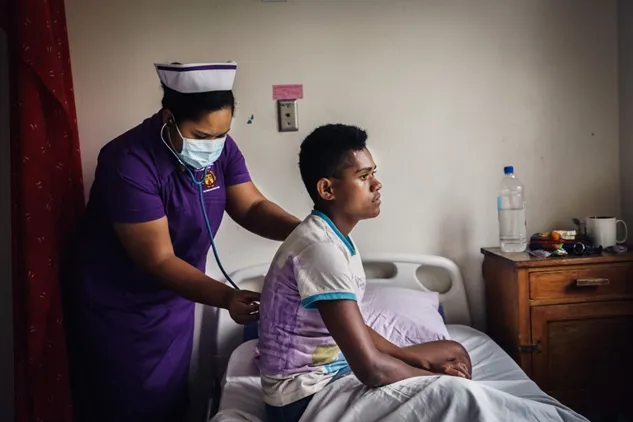
The World Health Organization (WHO) is, for the first time, providing recommendations on new near-point-of-care (NPOC) molecular tests for the diagnosis of tuberculosis (TB), utilizing easy-to-collect tongue swab samples to simplify and broaden access to testing, as well as implementing a cost-effective sputum pooling strategy to enhance testing efficiency for both TB and rifampicin-resistant TB.
These new WHO recommendations mark a major step forward in making TB testing faster and more accessible, said Dr. Tereza Kasaeva, Director of WHO’s Department for HIV, TB, Hepatitis & STIs. WHO urges countries and partners to work together to roll out these guidelines to close persistent diagnostic gaps and ensure that everyone with TB can be diagnosed early and start life-saving treatment without delay.
Under the WHO's End TB Strategy and the political declaration from the United Nations High-Level Meeting on TB, countries have pledged to guarantee early diagnosis of tuberculosis (TB) and universal access to rapid molecular tests recommended by the WHO. However, significant diagnostic gaps remain. Millions continue to experience delays or missed diagnoses due to systemic barriers, such as the ongoing dependence on sputum samples—which not everyone who may have TB can produce—the exclusive availability of laboratory-based tests that are not always accessible where individuals seek care or are assessed for TB, and the high costs of tests and related testing equipment, which restrict the availability and expansion of testing networks.
To support countries in their efforts to strengthen the detection of tuberculosis (TB) disease and drug resistance, the World Health Organization (WHO) issues evidence-based policy guidance on TB testing that is regularly updated. Since the most recent consolidated guidelines on TB diagnosis were published in 2025, new evidence has emerged regarding new tests, sample types, and strategies for the initial diagnosis of TB, both with and without drug resistance detection. In response, the WHO has updated the consolidated guidelines on tuberculosis, Module 3: Diagnosis, 2nd edition, which will be released in the coming weeks. The methods used to develop the new policy guidance can be found here.
#public health
#international health policy


© 2025 Health Tribe.