
Understanding everyday radiation: What you need to know
Mar 09, 2026
Contribution Unit: Chongqing Association of Popular Science Writers Author: Wang Haitao, Senior Engineer, Key Specialty Team for Public Health Radiological Hygiene, Chongqing Qianjiang District Disease Prevention and Control Center; Director Technician Zhou Jingbo, Chongqing Yongchuan District Red Cross Life Preservation Health Science Popularization Volunteer Service Team (Teacher Zou's Science Popularization Garden). Review Expert: Li Hanbin. Statement: Unless stated otherwise, some images are sourced from the internet and are used for non-commercial purposes only, serving as educational and promotional material. The copyright belongs to the original authors. If there is any infringement, please contact us for removal.
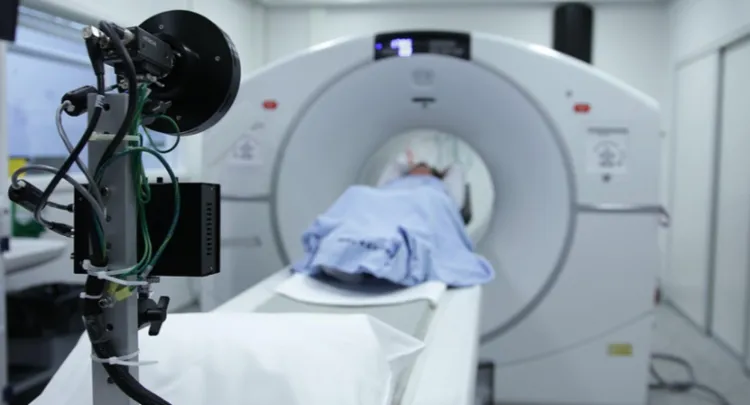
Understanding everyday radiation: What you need to know Radiation is common in daily life; natural sources like sunlight and soil are typically safe. This article clarifies radiation's benefits and safety. Radiation is often associated with nuclear weapons or accidents, causing many to perceive it as inherently dangerous, linked to illness or mutations. In truth, radiation is a part of our natural environment, found in sunlight, soil, and even in bananas. Moreover, medical procedures like X-rays and CT scans also involve radiation exposure. Hence, is radiation truly alarming? The answer lies in our scientific understanding and appropriate protective measures. Ubiquitous natural radiation exists all around us. The Earth itself is a significant source of radiation. Natural radiation stems from cosmic rays, which are high-energy particles originating from outer space; terrestrial radiation, which consists of natural radioactive elements like uranium, thorium, and radium present in soil and rocks; and internal radiation, which refers to radioactive isotopes like potassium-40 that exist within the human body. According to data from relevant United Nations agencies, the average person worldwide receives approximately 2.4 millisieverts of natural radiation annually, with nearly half stemming from radon gas—a naturally occurring radioactive gas found in soil and construction materials. Medical radiation is the primary channel of artificial radiation exposure for humans. A single chest X-ray typically emits about 0.1 millisieverts, equivalent to approximately 10 days of natural background radiation, while a CT scan may range from 1 to 10 millisieverts. It is crucial to emphasize that the application of medical radiation follows the principles of justification and optimization. Physicians need to weigh the diagnostic benefits against potential radiation risks, providing information with the lowest effective dose. In daily life, protecting oneself from radiation involves common knowledge. In your home, maintain ventilation to minimize radon gas accumulation, particularly in basements. Be informed about the radioactive levels in building materials to make informed choices. Smoke detectors, which may contain the radioactive element americium-241, should be disposed of following specified guidelines. During medical exams, be proactive in communicating any history of medical radiation exposure to your doctor. Pregnant women and children should avoid radiation-related procedures unless absolutely necessary, and it's advisable to use protective gear such as lead aprons during examinations. Daily habits can also reduce radiation exposure. Use mobile phones moderately, avoiding prolonged conversations with the device pressed closely to your ear. Keep a safe distance of 0.5 to 1 meter from a microwave while it operates. Although cosmic radiation exposure increases when flying at high altitudes, the risks for regular passengers during typical flights remain very low. For professionals in sectors like healthcare and nuclear power, strict adherence to protective standards is essential. This includes wearing personal dosimeters and following safety protocols, as well as undergoing regular training and health evaluations. It is crucial to dispel common misconceptions about radiation. The first misconception is that all radiation is dangerous; however, most radiation encountered daily is non-ionizing (from sources like mobile phones and Wi-Fi) and does not damage DNA. In contrast, ionizing radiation (e.g., X-rays and gamma rays) requires substantial protection. The second myth claims a single X-ray can induce cancer, while the radiation dose from an individual medical examination is minimal and far outweighed by its diagnostic advantages. The third misconception is that radiation-proof clothing can block all radiation; commercially available protective wear is primarily designed for electromagnetic radiation and offers limited protection against ionizing radiation. It is essential to understand their effectiveness sensibly, avoiding unnecessary psychological dependence. In conclusion, radiation, like fire, can yield tremendous benefits to humanity when controlled, but it can also be harmful when left unchecked. The goal of radiation health education is not to incite fear but to foster a scientific understanding of radiation and promote peaceful coexistence with it. Through correct understanding, reasonable precautions, and standardized management, we can maximize the benefits of radiation technology in medicine, energy, and research while minimizing associated risks. I hope that the next time you have a medical examination or use electronic devices, you approach this "ubiquitous invisible partner" with composure and rationality.
#health knowledge
#public science popularization



© 2025 Health Tribe.