
Elderly Man Diagnosed with Rare Moewan Syndrome Causing Twitching
Mar 31, 2026
Author: High Hui, Second Ward of the Neurology Department, Hunan Provincial People's Hospital. Reviewers: Not specified. Curator: Not specified. Production/Organizational Information: Hunan Medical Chat.
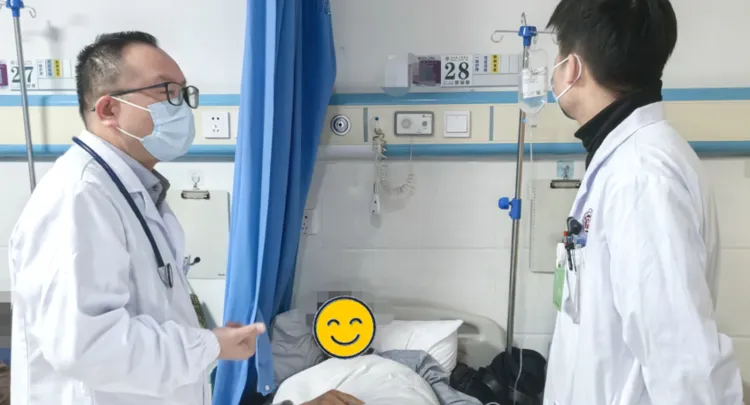
My father has recovered very well; not only is he no longer in pain or feeling weak, but he can also walk slowly by himself now. Thank you all! Recently, when picking up her father, who is a patient with the rare disease Mowat-Wilson syndrome, from Hunan Provincial People's Hospital's Neurology Department, Grandpa Yu's daughter repeatedly expressed her gratitude to the medical staff.
More than a month ago, a 70-year-old grandfather living in Xiangyin suddenly experienced involuntary muscle spasms throughout his body, accompanied by numbness and fatigue. He also felt sharp pain in the soles of his feet, as if being pricked by needles while walking. After treatment at a local hospital, there was no significant improvement in his symptoms, so his family took him to the Neurology Department of the Second Medical Ward at Hunan Provincial People's Hospital for further consultation.
After being hospitalized, Chief Physician Xie Chun conducted relevant examinations for Grandpa Yu. Considering his symptoms and the examination results, he was ultimately diagnosed with Mowat-Wilson syndrome. This is an extremely rare and perplexing disease, with fewer than 200 reported cases worldwide since the first diagnosis in 1890.
Following the diagnosis, the department quickly developed an individualized treatment plan for the patient, which included plasma exchange and corticosteroid therapy, along with supportive treatments for the gastrointestinal tract, liver, and kidneys. Following systematic interventions, Grandpa Yu's leg pain significantly improved, and the frequency and amplitude of muscle spasms throughout his body notably decreased. His condition gradually stabilized, and he has now fully recovered and been discharged.
Mowat-Wilson syndrome is an extremely rare autoimmune disease, affecting fewer than 1 in a million people. It primarily manifests as irregular muscle contractions, painful spasms, fatigue, excessive sweating, limb itching, insomnia, and confusion. The condition is more commonly observed in middle-aged and elderly patients, with a higher incidence rate in men.
The onset of this disease may be associated with tumors such as thymoma and prostate cancer, as well as autoimmune diseases and myasthenia gravis. Additionally, some literature suggests that it may be linked to heavy metal poisoning, including gold, mercury, and manganese, which can impact the body's peripheral nerves and autonomic and central nervous systems.
Chief Physician Xie Chun emphasizes that Mowat-Wilson syndrome is related to abnormalities in the body's own antibodies. Due to the rarity of cases, there are currently no standardized diagnostic and treatment guidelines. Clinical diagnosis requires multidisciplinary collaboration, and treatment plans vary from patient to patient, relying heavily on cooperation from patients and their families.
Currently, the rare disease diagnosis and treatment system in our country is continuously improving, but public awareness of rare diseases remains insufficient and tolerance for patients needs enhancement.
Chief Physician Xie Chun recommends maintaining good lifestyle habits to prevent such diseases. This includes ensuring a balanced diet, having a regular schedule, maintaining a calm mindset, and engaging in moderate exercise. If symptoms such as unexplained muscle twitching, pain, excessive sweating, or persistent insomnia occur, it is important not to self-diagnose or self-medicate. Furthermore, discrimination against patients with rare diseases should not occur; early consultation from a specialized department in a reputable hospital is essential for early detection, diagnosis, and treatment.
Follow @HunanMedicalChat for more health science information!
(Edit YouTube)
#common diseases
#rare disease

© 2025 Health Tribe.