
Understanding bipolar affective disorder: Signs and symptoms
Mar 31, 2026
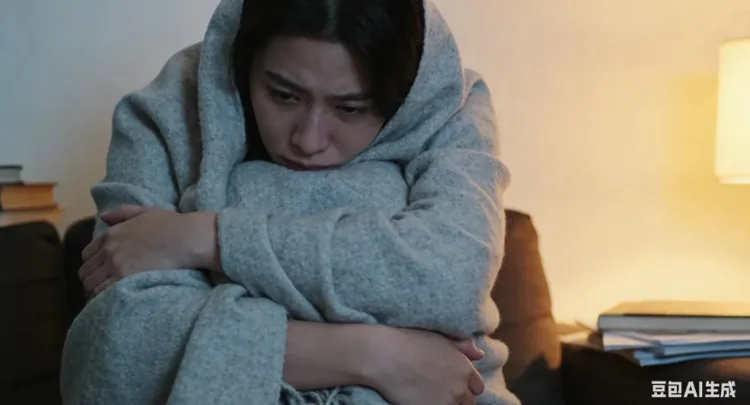
Author: Xu Meng, Department of Neurology (Department of Mental Disorders), Hunan Integrated Traditional Chinese and Western Medicine Hospital (Affiliated Hospital of Hunan Academy of Traditional Chinese Medicine). Reviewer: Dr. Jiang Junlin, Chief Physician, Neurology Department. Follow @HunanMedicalChat for more health science popularization information! (Edit YT) Title: Understanding bipolar affective disorder: Signs and symptoms Introduction: Bipolar disorder causes extreme mood swings. This article covers symptoms, treatments, and supportive therapies to promote understanding. Keywords: ['Traditional Chinese Medicine Treatment', 'Bipolar disorder'] Main text: March 30 is the birthday of the famous painter Van Gogh, and it is also 'World Bipolar Disorder Day.' Dr. Jiang Junlin, the chief physician of the Neurology Department at Hunan Province Integrated Traditional Chinese and Western Medicine Hospital, introduced that in order to commemorate this artistic genius and enhance public awareness of this mental illness, the World Bipolar Alliance and the International Bipolar Foundation jointly designated March 30th of each year as World Bipolar Day starting from 2015.
The establishment of this commemorative day serves to draw social attention to this illness, eliminate prejudices, and promote understanding and compassion for patients. Let us now explore bipolar disorder. Bipolar disorder, also referred to as manic-depressive illness, is a mental health condition characterized by severe mood fluctuations, including emotional highs (mania or hypomania) and lows (depression). These mood shifts can significantly affect sleep, energy, activity levels, judgment, behavior, and cognitive clarity. Individuals suffering from bipolar disorder may go through periods of intense emotional experiences that can adversely affect their daily lives, relationships, and overall well-being. Treatment typically involves a combination of medication and psychotherapy aimed at managing symptoms and stabilizing mood.
#traditional chinese medicine treatment
#bipolar disorder

© 2025 Health Tribe.