
What causes red bumps after outings a look at contact dermatitis
Apr 07, 2026
Reviewer Expert: Mo Dapeng, Chief Physician of the Neurointervention Center at Beijing Tiantan Hospital, affiliated with Capital Medical University, Professor, and Doctoral Supervisor.
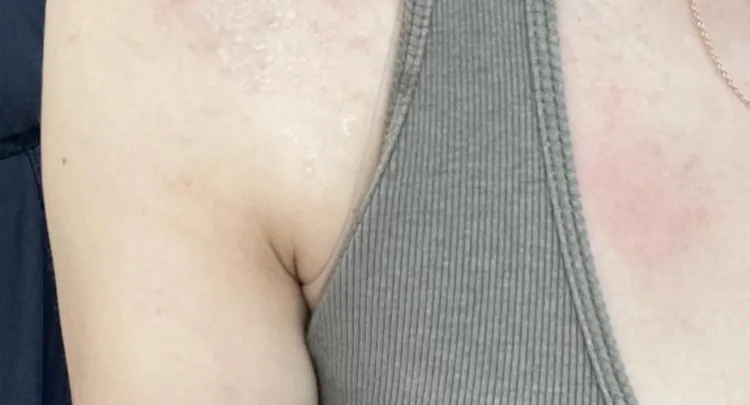
In spring, outings are a delightful opportunity to enjoy the blooming flowers and willows. However, some people return home to discover red bumps appearing on their faces and arms, accompanied by itching and a burning sensation, which can disrupt their sleep. The initial thought might be that mosquitoes have become exceptionally aggressive.
Source: Xiaohongshu blogger @Aromatherapist-Eva
However, the likely cause for your distress is not mosquitoes but rather caterpillar dermatitis.
Caterpillar dermatitis is not a result of mosquito bites; it occurs due to poisonous hairs penetrating the skin.
During the Qingming Festival, many individuals enjoy camping and outings in parks and rural areas, while various caterpillar species become more active. Caterpillar dermatitis is a skin condition characterized by itching and inflammation caused by the venom from the toxic hairs or spines of caterpillars making contact with the skin.
Caterpillars possess tens of thousands to millions of toxic hairs or spines, which are hollow tubes containing venom that includes bradykinin, lipase, and other peptide substances. When disturbed by wind, birds, or other stimuli, they instinctively eject or shed these toxic hairs as a defense mechanism.
Once these urticating hairs come into contact with and penetrate the skin, they release venom that induces irritant dermatitis, prompting skin tissues to release histamines and other inflammatory mediators. This results in localized capillary dilation and increased permeability, leading to redness, swelling, papules, intense itching, and a burning sensation. The itching associated with caterpillar dermatitis is often more severe and prolonged than mosquito bites, with symptoms typically worsening at night. Repeated contact with the urticating hairs or scratching can worsen the condition.
This image is generated by AI.
Moreover, skin contact with objects contaminated by toxic hairs or venom can result in dermatitis symptoms. If these hairs enter the eyes or cling to the eyelids and are rubbed in, they can cause acute conjunctivitis or keratitis.
Why is it difficult to notice?
Symptoms may be delayed; after contact with a poisonous hair, symptoms usually do not manifest immediately. Redness and itching may take several hours or even days to develop. Many individuals mistakenly attribute these symptoms to mosquito bites or other causes, missing the opportunity for timely treatment.
Exposed areas are vulnerable during spring outings; people often wear light clothing, which exposes areas such as necks, arms, and ankles. Even when wearing long sleeves, irritating hairs can infiltrate through cuffs or collars, or adhere to clothing, increasing the likelihood of skin contact again during a change of clothes or during sleep.
Image source: Stock photo library
Tips for Proper Response
Ensure appropriate physical protection.
When walking in nature, it is advisable to wear long sleeves and long pants, ensuring that cuffs and pant hems are snug. A hat can help minimize skin exposure. Avoid lingering under pine, cypress, and oak trees, or laying picnic mats beneath them. Opt for open, dry, and well-ventilated areas for activities. If uncertain about nearby tree species, it is wise to steer clear of dense, leafy old trees.
This image is generated by AI.
Timely cleanliness is crucial.
It is best to shower and change clothes promptly upon returning home. During showering, rinse the skin thoroughly with running water, using shower gel or soap to remove any potentially attached toxic hairs. If possible, shake outdoor clothing outside before bringing it indoors.
Properly addressing symptoms is essential.
If red bumps and itching have already developed, gently applying adhesive tape to the affected area a few times can help lift off some residual toxin, easing ongoing irritation. Rinsing the area with cool running water or applying a cold compress can also constrict blood vessels and relieve itching and swelling.
Seek immediate medical attention if necessary.
It is important not to scratch. Scratching can cause toxic hairs to penetrate more deeply, worsening symptoms and increasing the risk of bacterial infections, leading to pigmentation or scarring. If the rash is widespread, if itching is severe, or if there are symptoms like blisters, ulceration, or fever, seek medical help promptly.
Other insects should also be considered.
The blister beetle has highly acidic venom. When crushed or compressed, its venom can contact the skin, causing rapid linear, patchy, or clustered urticarial erythema, followed by dense papules, vesicles, or even pustules. Patients may experience intense burning pain and itching. Severe cases can lead to erosion, crusting, and epidermal necrosis.
Ticks can also pose risks. When they bite, they release anesthetic substances making the bite typically painless and hard to detect. The bite area might display redness, swelling, itching, or hard lumps. Furthermore, ticks can secrete harmful substances leading to fever and a drastic drop in platelet count, with severe cases potentially resulting in multiple organ failure and posing a life-threatening risk.
Midges: Their saliva contains sensitizing toxins that induce instantaneous intense itching at the bite site, followed by significant redness and swelling that typically appears in patches. Severe cases may develop blisters locally; scratching these can lead to infections and suppuration. Once healed, they can leave persistent dark spots or scars, with the swelling's progression being notably slower than that from mosquito bites. Common floral water often proves ineffective.
Bees: Following a bee sting, immediate burning pain, redness, swelling, and itching occur, frequently accompanied by a sting mark at the center. Honeybee stings can leave their stingers embedded in the wound, whereas wasps (yellow jackets) can sting multiple times.
Beneath the trees in spring, numerous unseen risks exist. The minuscule poisonous hairs that drift on the breeze are nearly impossible to detect with the naked eye yet can lead to significant discomfort. By implementing protective measures, ensuring thorough clean-up, and managing symptoms appropriately, one can relish the 'gift of spring' while minimizing unexpected troubles.
#skin health
#spring care



© 2025 Health Tribe.