
How to safely introduce green rice cakes to children this spring
Apr 07, 2026
Author: Not specified Reviewer: Not specified Curator: Not specified Production/Organizational Information: Not specified
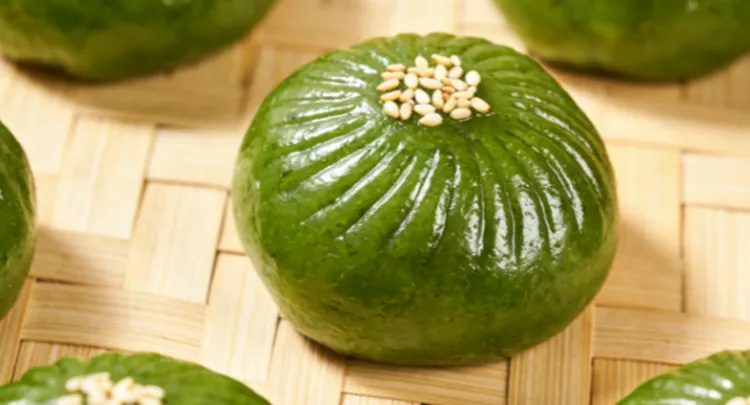
As spring blossoms and the Qingming Festival approaches, the soft, green, sticky rice dumplings known as qingtuan become one of the most ceremonial foods of the season. Many parents believe that qingtuan, made from natural herbs and plants, is a healthy seasonal snack for children. However, there are many misconceptions regarding their selection and consumption that can easily be overlooked! Can children eat them? How can parents choose safe qingtuan from the market? Today, an informative guide will clarify everything, helping parents avoid all pitfalls and allowing children to safely enjoy the flavors of spring.
First, is the "green" in qingtuan made from artificial coloring? Many parents, upon seeing the vibrant green color of qingtuan, immediately think, "It must have artificial coloring," which is actually a significant misunderstanding of this traditional delicacy! The "green" in qingtuan comes from nature's gifts, with no artificial colors added. Tracing back to its origins, the earliest form of qingtuan appeared during the Southern Dynasties when people would collect mouse plant (a type of grass) to extract its juice and mix it with flour to create "dragon tongue mix," which was used to prevent springtime illnesses. Today's qingtuan derives its green color mainly from mugwort or wheat grass. Fresh, tender leaves of mugwort are blanched and mashed, and the natural juice extracted is thoroughly combined with glutinous rice flour, resulting in a jade-like color while also imparting a mild herbal fragrance. Even more remarkably, mugwort itself is a "nutritional treasure trove," rich in volatile oils, flavonoids, dietary fiber, vitamins A, calcium, iron, and other nutrients. Not only does it give qingtuan its unique flavor, but it also possesses certain antibacterial, anti-inflammatory, and antioxidant properties. This is the scientific basis for the folk saying, "Eat mugwort during Qingming, and you'll be free from disasters and difficulties."
Can children eat green rice cakes? Many parents are concerned: with children having weaker digestive systems, is it suitable for them to consume green rice cakes? The answer is yes, but it's essential to focus on two key concepts: "moderation" and "suitability." Blindly consuming these treats can burden a child's digestive system. The main ingredients of green rice cakes are glutinous rice flour and herbal juices. Glutinous rice is rich in carbohydrates, providing quick energy for children, but it contains a high level of amylopectin—up to 80%—making it very sticky. Since children's digestive systems are not fully developed, overconsumption can easily lead to issues like bloating, indigestion, and acid reflux, and in severe cases, it may cause food accumulation. Furthermore, mugwort, one of the ingredients, may not be suitable for children with certain allergies, potentially triggering skin itchiness, rashes, or even respiratory discomfort. Therefore, when children eat green rice cakes for the first time, it is crucial to be especially cautious and conduct an allergy test.
Three Points to Remember When Giving Children Green Rice Balls for Dietary Safety To ensure the dietary safety of children, parents must keep these three points in mind, allowing kids to enjoy the flavors of spring while protecting their gastrointestinal health: 1. Control Portion Sizes and Avoid Overindulgence: For children under three, it is best to avoid giving them whole green rice balls to prevent choking; they can try small, chopped pieces instead. Children over three should not consume more than half a piece (approximately 30g) at a time, and adults should limit themselves to 1-2 pieces per day to avoid overburdening the digestive system. 2. Focus on Eating Method: Green rice balls should be eaten while warm; cold ones can harden and become more difficult to digest. It is essential to chew slowly and thoroughly. 3. Choose the Right Fillings and Limit Sugar: There are sweet and savory varieties of green rice balls available on the market. Sweet fillings (like red bean paste or sesame) tend to have high sugar and oil content, increasing the risk of tooth decay and obesity in children. It is advisable to choose savory fillings, such as minced meat with bamboo shoots, or to make low-sugar versions at home, which are more suitable for children. In addition to considerations for children's consumption, parents should also pay attention when purchasing and storing green rice balls.
When buying, prioritize purchasing from reputable sources, check the ingredient list, and choose products where sugar and oil are lower in ranking. Avoid overly bright-colored rice balls with strong odors, as they may contain artificial colors or preservatives. For storage, homemade green rice balls should be eaten fresh, while commercially available ones need to be refrigerated and consumed as soon as possible to prevent microbial contamination that can lead to gastrointestinal discomfort. Refrigerated rice balls should be thoroughly heated before consumption to avoid cold-induced gastrointestinal irritation. From the cold food snacks of the Tang Dynasty to the offerings during the Qingming Festival in the Ming and Qing Dynasties, and now to everyday households, green rice balls carry a thousand-year-old cultural memory and embody ancient dietary wisdom in harmony with the seasons. As parents, we can use green rice balls to let our children appreciate the charm of traditional solar terms and understand the folk culture of "eating mugwort during Qingming." By employing scientific methods for consumption and selection, we can safeguard our children's dietary safety. Spring is fleeting, and good food is precious; may every parent steer clear of pitfalls and enjoy this delightful green rice ball, which holds the essence of spring and warmth, with their children, gaining health and happiness amidst traditional flavors.
#children's diet
#traditional cuisine


© 2025 Health Tribe.